How to pay safely for a new-build flat in Batumi
For information only, not legal advice. The legal review is not finished yet.
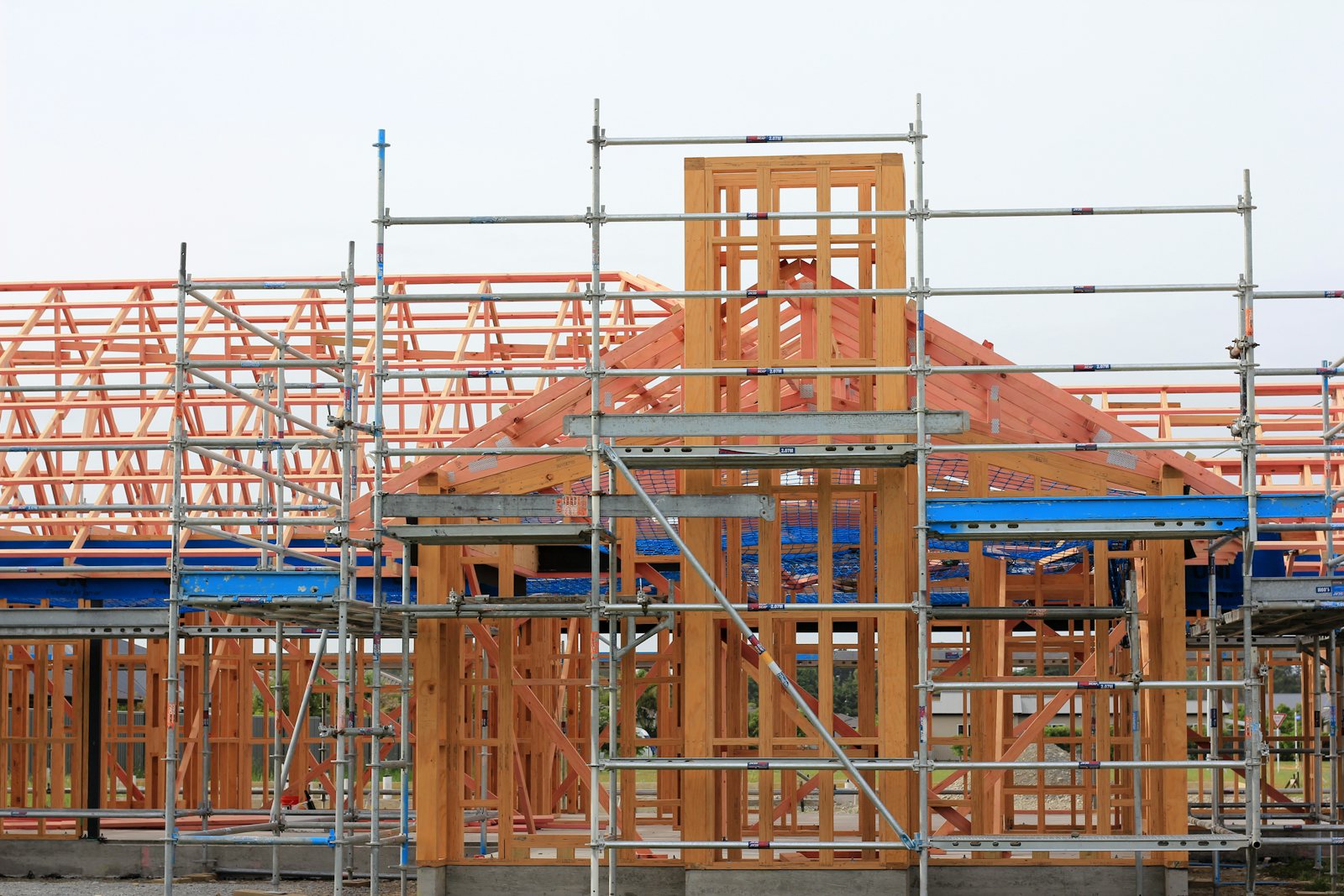
As of 18 October 2026, this is a reference text about paying a developer when you buy a flat under construction. It does not promise that a deal will be safe, it does not replace a lawyer, and it does not say whether to buy. In short: we found no single mandatory escrow scheme for new-build buyers' money in open sources. We found no law or bill on one either. Protection is assembled from parts: early registration, a payment schedule tied to stages, the contract terms, and payment only to the company's account named in the contract. Escrow, a bank guarantee and insurance are possible if the developer agrees to give them in writing.
Why money paid during construction is at risk
When you pay during construction, the flat does not exist yet. You pay for a promise to hand it over on time. If construction stops or the contract falls through, a refund depends on what the contract says and on the developer's ability to pay.
According to a publication by the law firm MB Legal (updated 9 September 2026), money in practice usually goes straight from buyer to seller. So the moment of payment becomes decisive. The same source says the safest deals tie payment to registration. That is easier for a finished flat. In a new build the flat is not there yet, you pay before your right is registered, and you need other ways to protect yourself.
For the general procedure of buying off plan, see the guide buying a flat off plan in Batumi: what to check. Here we cover only the money.
What actually protects you
Early registration of the contract
Article 12 of the Law on the Public Registry says a right to immovable property can be pre-registered on the basis of an agreement between the parties. As the law puts it, the purpose is to secure the later registration of the right. Pre-registration rules out registration of any other right to the same property, unless the parties agreed otherwise.
Under Article 13, when rights exclude each other, the one submitted earlier is registered. The legal resource Legal.ge describes it this way: the future right is fixed in the registry and blocks registration of other rights to the same flat. This protects against the same flat being sold twice.
Keep in mind:
- Pre-registration protects the right to the object. It does not return your money if the building is never finished. The Legal.ge page describes no mechanism for protecting payments.
- The law lists cases in which the entry is annulled. They include expiry of a time limit, if one was set, and a written agreement of the parties. Check the time limit in the registry extract.
- We did not confirm which documents are filed for pre-registration of a flat in a building under construction, how long it takes or what it costs. The NAPR fee page has no separate line for it. Ask NAPR and a lawyer.
A payment schedule tied to stages
A real estate agency in Batumi published advice in November 2025. It says to choose staged payment for completed work, with a transparent schedule. That is the agency's advice, not a rule of law. The logic is clear: the more you pay before the end of construction, the more of your money depends on the developer.
Check in the contract:
- which stage each payment is tied to, and who confirms that the stage is complete;
- what happens if a stage is missed but a scheduled payment falls due;
- what share of the price is paid by the time the building's commissioning permit is issued.
The contract: deadline, penalty, refund
The Civil Code gives general rules, and the contract sets the terms.
- A penalty is set by agreement of the parties and made in writing (Articles 417, 418). A court may reduce a disproportionately high penalty (Article 420). If the contract has no penalty, the general rules on damages remain (Article 419): a lawyer should go through them.
- Termination. A party that has not received performance can usually terminate a bilateral contract after an additional period of time (Article 405). There are exceptions, and a lawyer should review them.
- Earnest money is credited against the performance owed, and if it is not credited, it is returned after performance (Articles 421, 422). Check what your payments are called in the contract: "earnest money", "advance" or "instalment".
The actual handover dates, the size of the penalty and how fast money is refunded after termination are not in open sources. They are terms of your particular contract.
Pay the company's account named in the contract
This is a recommendation, not a requirement of law. Pay by bank transfer to the developer company's account named in the contract. In the payment reference, give the contract number and date. Keep the receipts and confirmations. According to MB Legal, Georgian banks check the origin of funds on incoming transfers. Requirements depend on the bank and on citizenship. Ask your own bank in advance which documents it needs.
Escrow, guarantee, insurance: what is known
What we confirmed.
- A bank escrow service exists. On its service page, Terabank says individuals and legal entities, residents and non-residents, can use it. The bank releases funds to the other party once the parties' obligations are fulfilled. The fee is stated as 0.2% (minimum GEL 100), in GEL. The page does not mention buildings under construction or payments to developers, and it has no date. Whether it suits staged payments, ask the bank.
- A notary's deposit. The Civil Code (Article 434) lets a debtor pay money into the notary's deposit account if the creditor delays acceptance of performance. A news item of the Notary Chamber gives a property purchase as an example. By its text it dates from 2017. The buyer keeps the payment with the notary until the right is registered. We did not confirm current terms or whether this works for a building under construction.
- Private offers. Some agencies offer their own escrow service by agreement of the parties. This is a private arrangement. It is not law and it is not a bank. Find out who holds the money and in which account.
- Possible guarantees. An agency in Batumi names a bank guarantee, an escrow account and liability insurance of the developer as possible guarantees. The publication does not describe how they work. We found no confirmation that this is a market standard.
What we did not find on the check date.
- a law, bill or rule on mandatory escrow, insurance or a guarantee for new-build buyers' money in Georgia;
- an escrow service for individuals on the websites of Bank of Georgia, Credo, Basisbank, Liberty and Halyk. This does not mean there is no such service: ask the bank. The TBC escrow page that a search engine returned led to the home page on 18 October 2026;
- public data on how many developers agree to escrow or a guarantee at all.
How to ask the developer in writing. Send an email and keep the reply. Ask whether they agree to any of these: escrow through a bank, a deposit with a notary, a bank guarantee to return payments, or insurance of the developer's liability to buyers. If yes, ask for the draft terms. If no, ask for the reason in writing. A refusal does not prove a problem by itself, but it is information for your decision.
What to compare. Who holds the money and in which account. When the money goes to the developer and who confirms it. What happens to the money if the building is not finished. The fee and who pays it. How long the guarantee lasts. What happens if the bank or insurer refuses to pay.
Questions for the developer (checklist)
Ask them in writing and keep the answers.
- In whose name and to which account do I transfer the money? Are the company's details in the contract?
- Will you register my contract or right early in the registry? How soon, and who pays the fee?
- Which construction stage is each payment tied to? Who confirms the stage, and how?
- What is the handover date and what is the penalty for missing it? How is it calculated?
- What are the termination terms? How soon and in which currency is the money refunded?
- Do you agree to escrow, a bank guarantee, a notary deposit or insurance? In writing, with the terms?
- What building permit does the object have, and which plot? Can I get a registry extract for the plot and for the object?
- Are there limits on assigning my rights under the contract to a third party?
Warning signs
- You are asked to pay to a private person's card or to an intermediary's account, not the company's.
- You are asked for cash with no receipt.
- They refuse to register the contract or say it is "not needed".
- You are asked to pay before signing, or to "lock the price" without written terms.
- The contract has no deadlines, penalty or refund terms.
- You are pressed with a deadline: "the price is only for today".
- They do not show the building permit and the registry extract for the plot.
One sign does not prove fraud. But each is worth stopping for and checking with a lawyer before you pay.
When you need a lawyer
Bring in a lawyer before the first payment. This matters most in these cases:
- the contract is in a language you do not read;
- it has non-standard payment terms;
- you pay from abroad in foreign currency;
- you want to register the contract early;
- the developer offers escrow or a guarantee that does not go through a bank.
What to ask the lawyer:
- whether early registration applies to your flat, which documents it needs and what it costs;
- what your contract says about the penalty, termination and the refund of money;
- whether a notary deposit or a bank escrow suits payments by stages;
- what the contract says about assigning rights to a third party.
What we do not know
- The procedure and fee for early registration of a flat in a building under construction.
- Escrow at other banks, and whether it can be used when buying a building under construction.
- Notary practice on deposits when a new build is paid for by stages.
- A law or bill on mandatory protection of new-build buyers: we found none, and we did not browse the Parliament's records directly.
- How often developers in Batumi agree to escrow, a guarantee or insurance.
Summary
We found no single mandatory escrow scheme for new builds in Georgia. Your money is protected by early registration, a staged schedule, a contract with a deadline and a penalty, and payment to the company's account. Ask about escrow, a guarantee and insurance in writing. For instalments, see the guide developer instalment plans in Batumi: how to assess the terms. The decision is yours and your lawyer's.
Sources
- Law of Georgia on the Public Registry, Articles 12 and 13 (matsne.gov.ge)
- Civil Code of Georgia (matsne.gov.ge), Articles 405, 417–422, 434
- NAPR: fees for registering rights to immovable property
- Notary Chamber of Georgia: the notary's deposit account (notary.ge)
- Legal.ge: buying off-plan property (pre-registration)
- Terabank: Escrow service
- MB Legal: how to buy property in Georgia (updated 09.09.2026)
This is reference information. It is not legal or tax advice.
Published: October 18, 2026
Request information about the property